Helping children learn to read takes time, patience, and the right materials. For young learners, simple reading activities often work best. Short passages, familiar words, and clear sentence patterns can make reading feel easier and more enjoyable. That is why many parents and teachers use simple sight word reading passages for kids as part of daily practice.
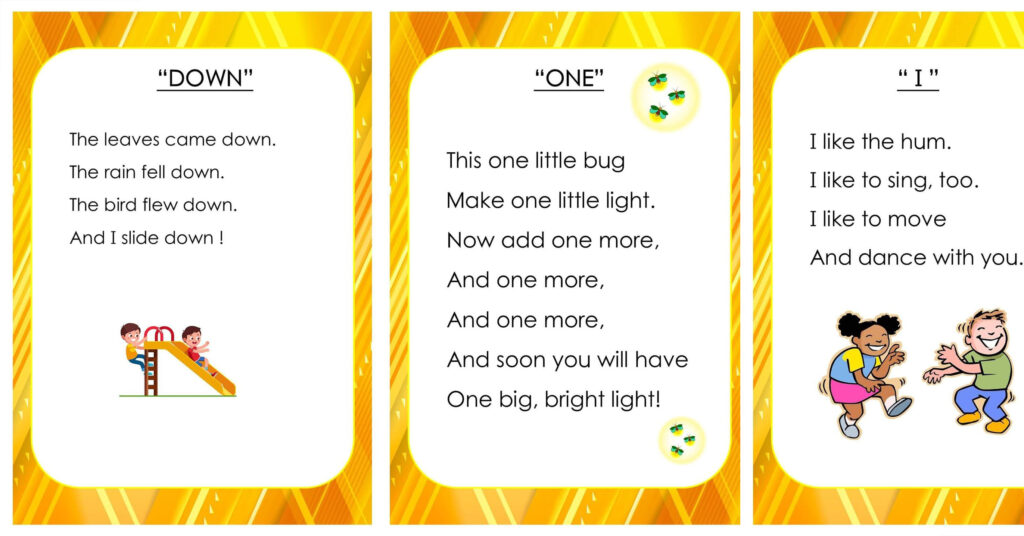
The reading materials in your sample are a great example of this kind of resource. Each page focuses on a single high-frequency word, such as “down,” “one,” and “I.” The word is then used in short, easy-to-read lines that help children see, read, and remember it in context. This method is useful because children do not only memorize the word. They also learn how the word is used in real sentences.
For beginning readers, that step matters a lot. Children need more than word lists. They need meaningful reading practice. When they see the same word used in a short passage, they gain confidence. They start to recognize the word quickly. They also begin to understand the flow of language. In time, this helps them read more smoothly and with better understanding.
If you are looking for effective printable materials for preschool, kindergarten, Grade 1, or remedial reading, sight word passages are a smart choice. They are simple, practical, and highly useful for early literacy development.
What Are Sight Word Reading Passages?
Sight word reading passages are short texts built around common words that children need to recognize quickly. These words often appear again and again in beginner books, worksheets, and classroom activities. Examples include words like I, one, down, look, here, come, and the.
Instead of showing the child a single word by itself, a sight word passage places that word inside short and simple lines. This gives the learner a better chance to understand how the word works in actual reading. For example, a child may first learn the word down, then read lines such as “The leaves came down” or “The rain fell down.” This repeated exposure strengthens recognition and comprehension at the same time.
This kind of reading material is especially helpful for young learners because it combines repetition with meaning. The child sees the target word many times, but the reading still feels like a real text instead of a drill.
Why Sight Words Matter in Early Reading
Sight words are an important part of reading development. These are words that children should be able to recognize quickly without stopping to sound them out every time. Since many of these words appear often in early reading materials, learning them well can make a big difference.
When children know common sight words, reading becomes smoother. They spend less time struggling with basic words and more time understanding the sentence. This is important because too much difficulty can make reading frustrating. However, when children can read familiar words easily, they feel more successful and more motivated to continue.
Sight words also support fluency. Fluency means reading smoothly, correctly, and with confidence. A child who can quickly read words like I, one, down, and you is more prepared to read phrases, sentences, and stories. That is why sight word practice is a strong foundation for future reading success.
Why These Reading Materials Work Well
The reading samples you shared are effective because they are simple, focused, and easy for children to follow. Each page highlights one target word and uses it in short lines. That structure is very helpful for beginning readers.
First, the text is not overwhelming. Children see only a small amount of reading on each page. This helps them stay calm and focused. Second, the repeated word pattern makes the material predictable. Predictable reading is useful because children begin to anticipate the word and read it with more confidence. Third, the illustrations support understanding. A child can connect the word with the picture and the action in the sentence.
For example, a page about the word down shows movement that the child can easily imagine. A page about one introduces a simple idea using repetition. A page about I helps children connect the word to personal action and expression. These features make the reading experience clearer and more engaging.
Simple Sight Word Reading Passages