Helping children learn to read becomes easier when lessons are simple, structured, and repeated in a meaningful way. For beginning readers, one of the most effective ways to build confidence is to combine phonics words with Dolch sight words inside short reading passages. This gives children a chance to practice both decoding and word recognition at the same time.
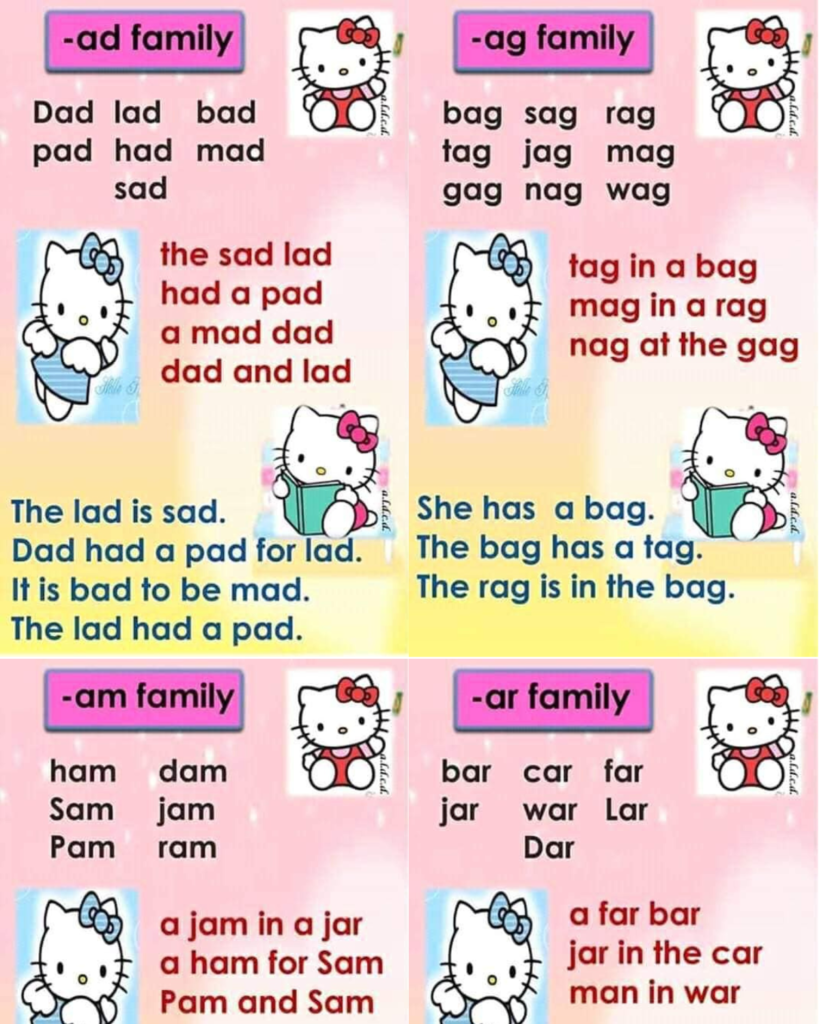
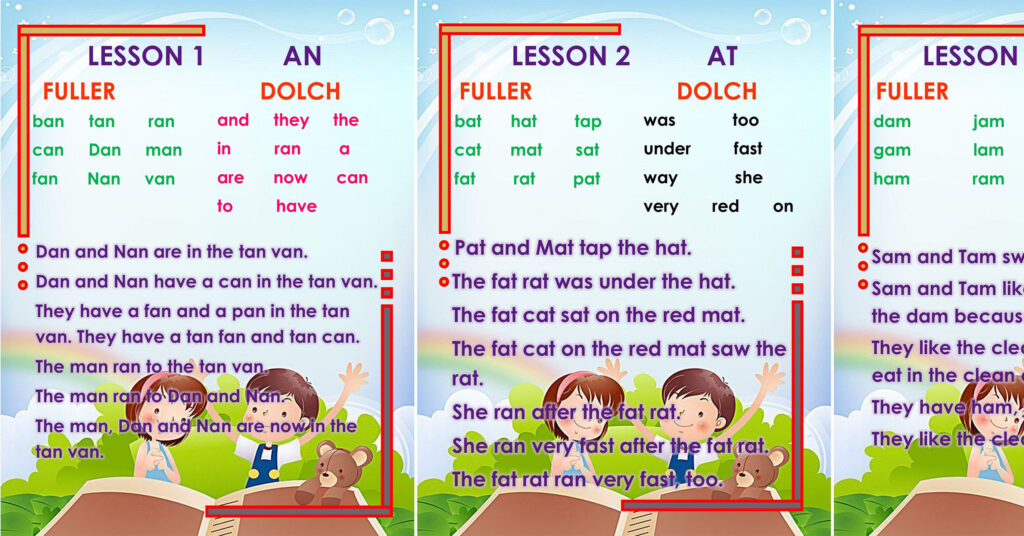
The sample materials you shared are excellent examples of this kind of reading support. They focus on short a word patterns such as an, at, and am, while also adding common Dolch words like and, the, in, have, was, and like. This combination is very useful for young learners because it teaches them how to read patterned words and familiar high-frequency words in connected text.
These printable reading lessons are helpful for preschool learners, kindergarten pupils, Grade 1 students, and children who need remedial reading practice. They are also useful for parents, teachers, tutors, and homeschool families who want easy and ready-to-use resources for home and classroom learning.
If you are planning to post educational materials on your website, this type of printable reading lesson is a strong choice. It is practical, beginner-friendly, and highly valuable for early literacy development.
What Are Short A Phonics Lessons with Dolch Words?
Short a phonics lessons with Dolch words are reading worksheets that combine two important skills. First, they teach children short vowel word families such as ban, tan, ran, bat, hat, mat, dam, jam, and ram. Second, they include Dolch sight words such as the, and, was, like, in, have, and to.
This method works well because children need both skills to become stronger readers. Phonics helps them sound out words. Sight words help them read common words quickly without stopping too often. When the two are taught together, reading becomes smoother and more natural.
The lessons in your sample also include short sentences and short paragraphs. That means children do not only practice single words. They also practice real reading.
Why This Type of Reading Practice Matters
Beginning readers need more than random word lists. They need structured practice that moves from easy decoding into simple connected text. That is why phonics plus sight word reading is so important.
A child may decode the word tan by sounding it out. However, to read a sentence like “Dan and Nan are in the tan van,” the child also needs to know common words like and, are, in, and the. Without sight word support, sentence reading can feel slow and frustrating.
This type of practice matters because it helps children:
- decode phonics words accurately
- recognize high-frequency words faster
- read sentences with better fluency
- understand simple stories and passages
- build confidence through repeated success
Why These Reading Materials Are Effective
The materials you shared are effective because they use a very clear lesson sequence. Each page starts with a phonics pattern, then adds a set of Dolch words, and finally gives learners sentences and short reading passages built from those same words.
This format is helpful because it gives children a clear path:
- Learn the target phonics words.
- Review the common sight words.
- Read both together in meaningful text.
That step-by-step structure reduces confusion and supports mastery. It also helps children feel successful because the passage is built from words they have already practiced.
Another strength is repetition. The same short a patterns appear again and again inside the lesson. That repeated exposure helps children remember the sound and read more smoothly.
Phonics Lessons with Dolch Words
This material is shared solely for educational purposes. All credit belongs to its rightful owner.